October 15, 2026
Swimming pools are a delightful addition to any home, providing a venue for relaxation, exercise, and entertainment. However, owning a pool comes with responsibilities, especially when it comes to maintaining safety and hygiene. Pool covers play a crucial role in preserving the pool's functionality and longevity, making it essential to choose one that meets your specific needs. Selecting the ideal pool cover involves understanding different types, materials, and features that may enhance your pool's safety and efficiency. This article delves into the considerations for choosing a pool cover, ensuring peace of mind and a sound investment in your backyard oasis.
Types of Pool Covers
Solar Pool Covers
Solar pool covers, often referred to as solar blankets, are designed to capture the sun's heat and transfer it to the pool water. These covers are highly efficient in retaining heat, which helps reduce the cost of heating your pool. In addition to preserving warmth, solar covers minimize evaporation, reducing water and chemical loss. They are an eco-friendly option for pool owners looking to enhance energy efficiency. With global interest in sustainability rising, solar covers are becoming a popular choice among environmentally-conscious homeowners.
In regions where sunlight is abundant, solar pool covers are a cost-effective solution. They not only extend the swimming season but also maintain a comfortable water temperature with minimal energy input. These covers are typically lightweight, easy to handle, and can be custom-fitted to any pool size. However, they may lack the sturdiness required for maximum safety if weight-bearing concerns are a priority. While solar covers offer energy efficiency, pool owners should evaluate their specific situation before choosing this option.
The innovation behind solar pool covers allows them to act as insulation, trapping heat and preventing its escape during cooler evenings. Many covers come with UV-resistant properties to enhance their lifespan. This type of cover is also beneficial for keeping debris out of the pool, making routine maintenance simpler. Homeowners should weigh the initial investment against the long-term savings in heating costs. Reflecting on both climate and frequency of pool use can guide the decision-making process in selecting a solar cover.
Winter Pool Covers
Winter pool covers are designed for those living in climates with cold winters, where pools are not in use for a significant portion of the year. These covers provide a thick, protective layer that guards against harsh weather conditions, effectively preserving the pool's surface and preventing freeze damage. By shielding the pool water from debris and sunlight, they also help minimize algae growth during the off-season. Installing a winter pool cover is an essential step for those seeking to maintain the pool's condition without frequent winter maintenance demands.
Considering the harsher elements of winter, these covers are built with durability in mind. Made from sturdy materials like tarp, vinyl, or dense mesh, winter pool covers are tailored to withstand snow, ice, and wind. Their strength ensures that the pool structure is adequately protected, reducing the risk of costly repairs come spring. Another advantage is the potential cost savings on water treatment, as the covers limit contamination and chemical imbalance. Future pool maintenance becomes manageable when the correct winter cover is in place.
Proper installation is key to maximizing the benefits of a winter pool cover. Owners should ensure a snug fit over the pool and a reliable anchoring system around the perimeter. Failure to do so could lead to damage or accidental entry of debris. According to RubyHome, an estimated 8% of homes in the United States have swimming pools, highlighting the importance of winter covers in areas subjected to freezing temperatures. By choosing an adequate winter cover, pool owners safeguard their investment through an economically challenging season.
Material and Durability
Common Materials Used
When selecting a pool cover, understanding the common materials used is crucial to its durability and performance. Pool covers are typically made from polyethylene, polypropylene, or vinyl, each offering unique benefits. Polyethylene is lightweight and offers excellent UV resistance, frequently used in solar covers. Polypropylene, known for its strength and flexibility, is commonly found in mesh covers. Vinyl, with its heavy-duty properties, is excellent for safety and solid covers, providing robust protection against elements.
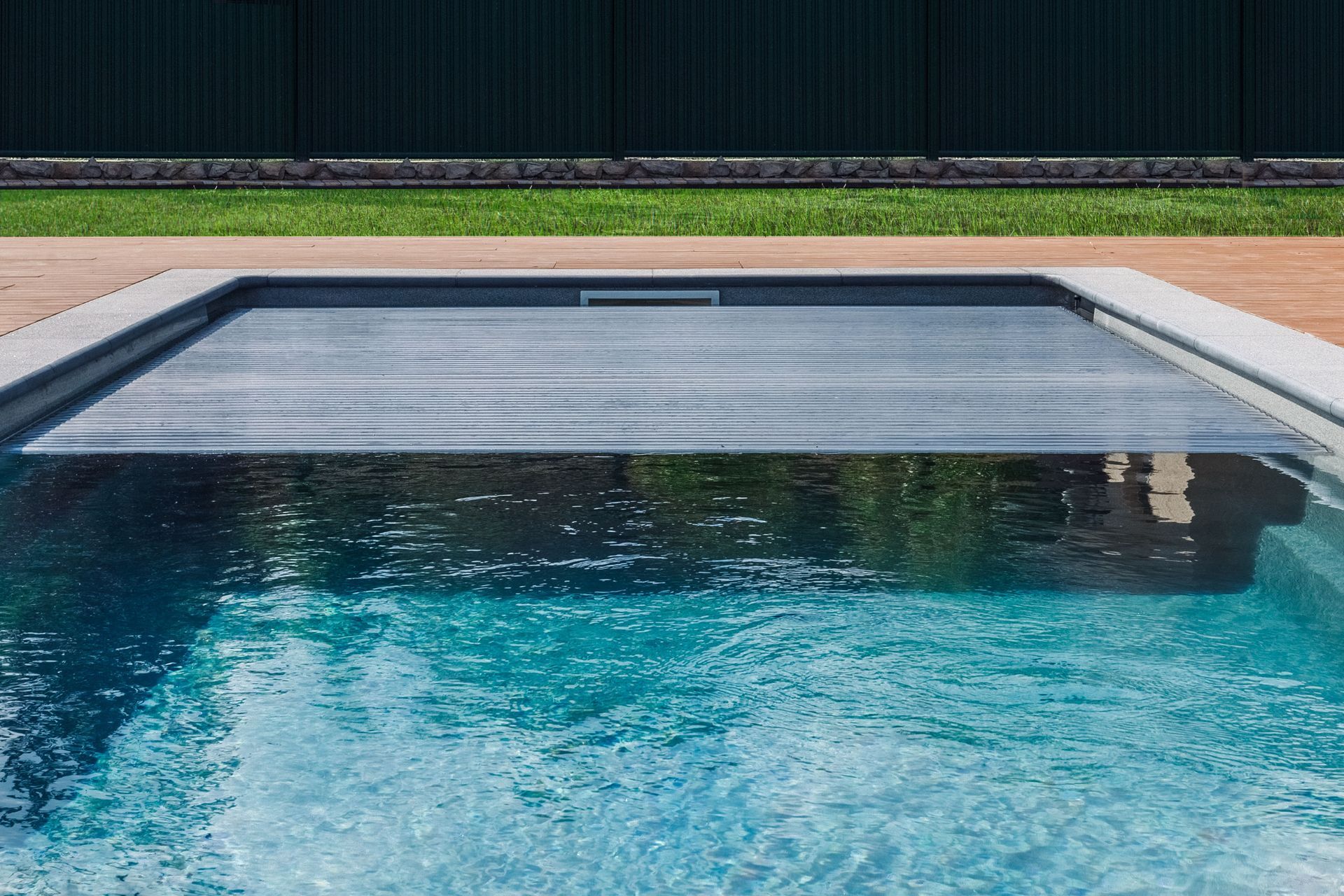
The choice of material often reflects the specific needs and constraints of the pool owner. For instance, vinyl's dense construction makes it a popular choice for automatic pool covers, where strength and weather resistance are paramount. On the other hand, polyethylene's affordability makes it ideal for budget-conscious solar cover users. Durability is not just about the material's inherent strength but also its ability to withstand chemical exposure and UV rays. As each material interacts differently with pool chemicals, selecting the appropriate one is imperative for long-term usability.
Environmental conditions significantly influence material selection, as pool covers endure varied weather extremes. Understanding a material's resistance to shrinking, stretching, and degradation ensures it can meet seasonal demands and provide longevity. Polypropylene offers flexibility, making it versatile for various climates, while vinyl presents impermeable protection against water and debris. Investing time in understanding material properties ensures an informed decision that keeps the pool protected and extends asset lifespan. The right material, paired with proper maintenance, delivers durability and efficiency for pool owners.
Weather Resistance
Weather resistance is a crucial factor to consider when choosing a pool cover, as it must withstand a range of environmental conditions. Pool covers face constant exposure to factors such as sun, wind, rain, and snow, necessitating materials resistant to these elements. UV rays can rapidly degrade sub-par materials, making UV resistance a vital trait. Some pool covers are specifically designed to resist high winds, reducing the risk of detachment or damage during storms. The goal is to find a cover that offers robust protection and maintains its condition, irrespective of weather changes.
In areas with extreme weather conditions, selecting a durable pool cover built to handle such hostilities is mandatory. Those living in snowy or windy regions require reinforced covers capable of handling additional weight and force. For these areas, solid materials like vinyl bear greater appeal, proving resilient against snow accumulation and heavy wind. Mesh covers may suffer during intense weather, as they lack the weight and structure to avoid potential rips or tears. While purchasing a weather-resistant cover may incur higher costs, ensuring it copes with local conditions proves money well spent over time.
Longevity and Warranties
Longevity is a key focus for pool owners when selecting a cover, as it represents a significant investment. When evaluating longevity, it's essential to consider both material durability and the cover's construction. It's advisable to research warranties offered by manufacturers, as this can give insight into the expected lifespan of the product. Warranties that cover defects or wear over an extended period provide assurance about the manufacturer's confidence in their product. Often, premium covers come with longer warranties, reflecting their anticipated durability and high-quality construction.
The durability of a pool cover depends largely on its resistance to environmental stressors and chemicals used in pool maintenance. High-quality materials and construction techniques extend the life of the cover and enhance its protective capacity. Regular inspection and maintenance can help detect wear and prolong usage, ultimately saving replacement costs. Thorough research and comparison between warranty terms guide the selection of a dependable pool cover. Investing in a cover with strong warranties offers a safety net, minimizing risk and ensuring durability.
Choosing the right pool cover is an important investment in protecting your pool, simplifying maintenance, and creating a safer backyard environment. From solar and automatic covers to durable winter and safety options, the best choice depends on your climate, pool usage, maintenance preferences, and safety priorities. Paying close attention to materials, weather resistance, longevity, warranties, and protective features can help you select a cover that delivers reliable performance for years to come. By evaluating these factors carefully, you can make a confident decision that supports the long-term condition, efficiency, and safety of your pool. If you're looking for new pool covers or other pool services, contact Neptune Pools today!