February 18, 2026
Embarking on the journey of enhancing your backyard with a new aquatic feature is an exciting venture that promises years of relaxation and family memories. However, many homeowners find themselves wondering exactly how long the process takes from the first shovel hit to the first splash. Understanding the nuances of pool construction is essential for managing your expectations and ensuring your property is ready for the transformation. While every project is unique, having a clear roadmap allows you to plan your life around the work being done in your outdoor living space.
Planning Your Layout and Obtaining Necessary Permits
The very first phase of pool construction actually happens before any heavy machinery arrives at your home. This stage involves finalizing your design and ensuring that all legal requirements are met through local municipalities. Designing the layout is a collaborative process where you decide on the shape, depth, and placement of the structure. It is vital to consider how the water feature will interact with your existing landscape, utility lines, and the overall flow of your backyard. This planning phase sets the foundation for everything that follows, ensuring that the vision in your head translates perfectly to the physical space available.
Once the design is finalized, the permitting process begins. This is often the most unpredictable part of the construction timeline, as it relies entirely on the efficiency of local government offices. Permits are necessary to ensure that the build meets safety codes and zoning regulations. Depending on where you live, this can take a few days or several weeks. During this time, your contractor will also likely mark out the perimeter of the pool in your yard using paint or stakes. This allows you to see the physical footprint of the project and make any last-minute adjustments before the excavation begins in earnest.
Excavating the Site and Preparing the Foundation
Once the permits are in hand and the layout is marked, the heavy lifting of construction begins with excavation. According to Home Advisor, swimming pool remodeling services can take you anywhere between two and eight weeks. This is often the most dramatic phase, as large equipment is brought in to move significant amounts of earth. It is a loud and dusty process, but it is also the moment your dream starts to take physical shape. The team will carefully dig to the specified depths and shapes outlined in your design plan. While excavation itself might only take a day or two, it is a critical step that requires precision to ensure the structural integrity of the finished product.
Following the excavation, the crew will begin the process of reinforcing the hole. This typically involves the installation of steel rebar, which acts as the skeleton of the structure. This steel grid provides the necessary strength to support the weight of the water and the surrounding earth. During this stage, you will also see the initial plumbing and electrical conduits being laid out. These systems are the lifeblood of your pool, handling filtration, heating, and lighting. Proper preparation during this phase of construction is paramount, as once the shell is poured, making changes to the underlying infrastructure becomes much more difficult and expensive.
Installing the Shell and Managing Cure Times
With the steel and plumbing in place, it is time to create the actual shell of the pool. This is typically done using shotcrete or gunite, which is a concrete mixture sprayed at high velocity over the rebar framework. This process creates a seamless, incredibly strong structure that forms the floor and walls of your new feature. Watching the shell being formed is one of the most satisfying parts of pool construction, as the abstract hole in the ground suddenly becomes a recognizable swimming area. The crew will skillfully trowel the surface to ensure it is smooth and follows the precise contours of your custom design.
After the concrete is applied, a period of waiting is required. This is known as the curing process, and it is a vital component of successful pool construction. The concrete needs time to reach its full structural strength before it can be finished or filled with water. During this time, you may be asked to spray the shell with water a few times a day to keep it moist and prevent cracking. While it might seem like nothing is happening during these weeks, the chemical process occurring within the concrete is essential for the longevity of the pool. Patience during the cure time ensures that your investment remains durable and leak-free for many years.
Applying Finishing Touches and Starting the Water
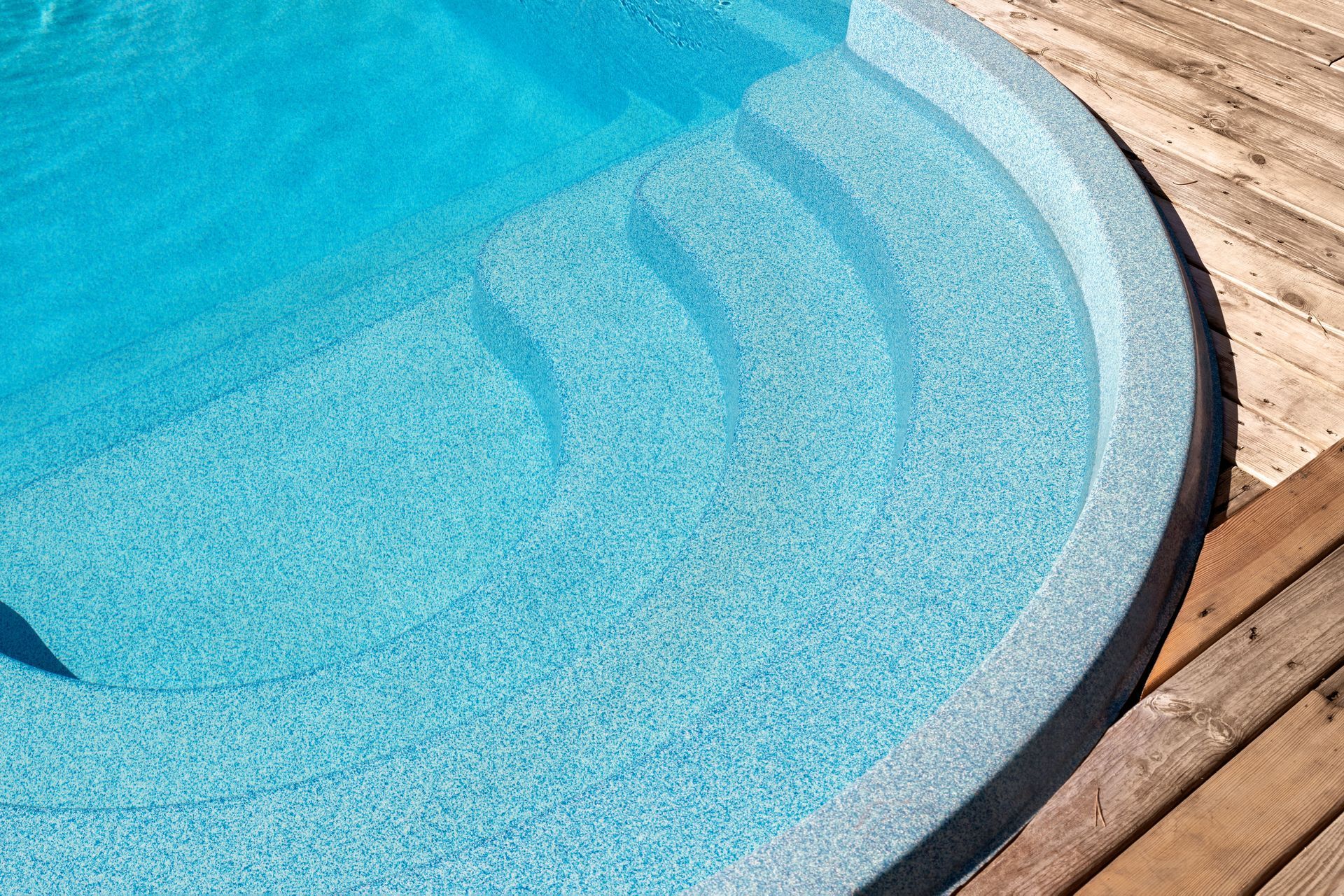
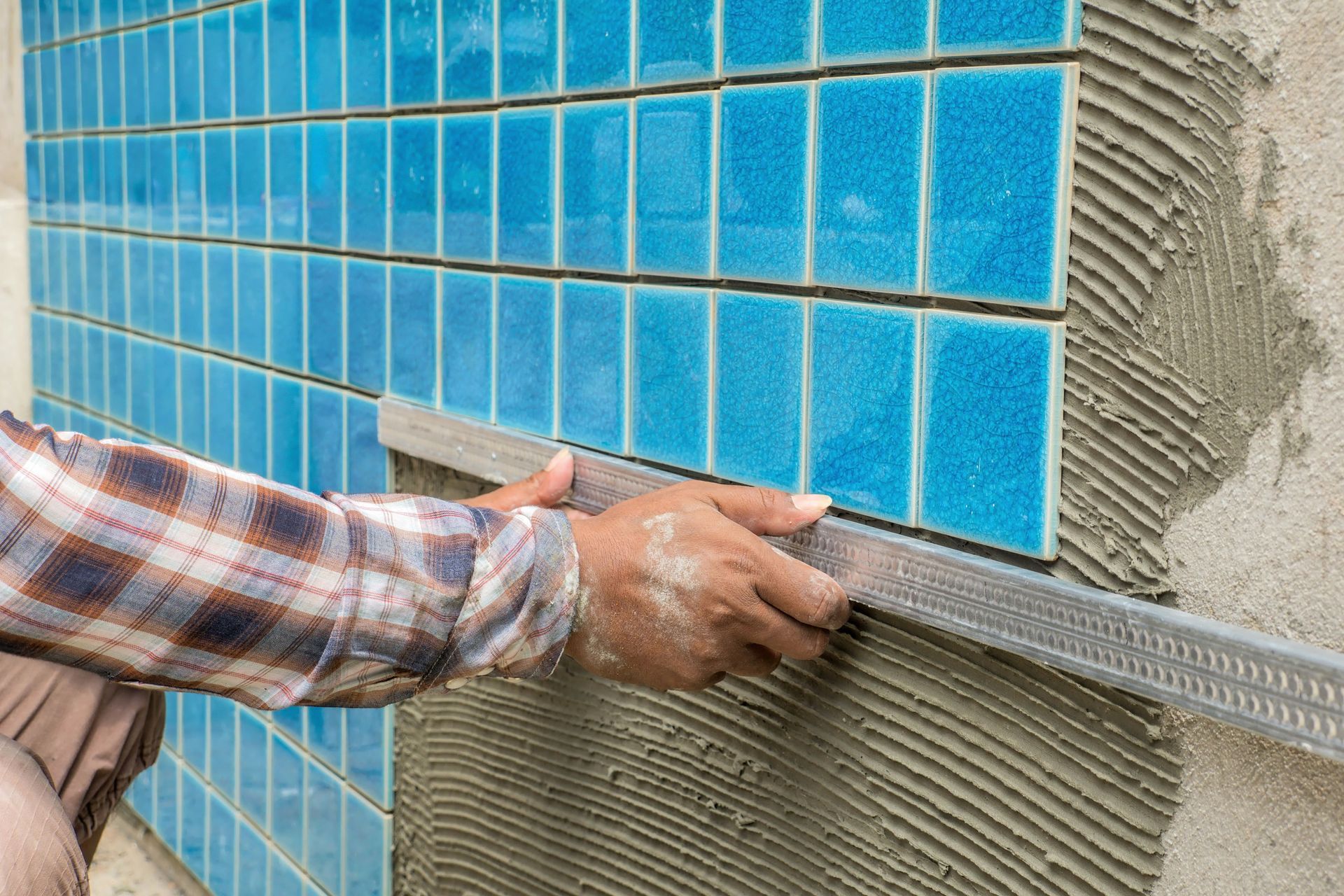
Once the shell has fully cured, the aesthetic transformation of your pool construction project moves into its final stages. This involves the installation of coping, tiling, and the interior finish. Coping is the material that caps the edge of the pool wall, providing a finished look and a safe transition to the surrounding deck. Tile is often applied around the waterline to add a decorative element and make cleaning easier. These choices in materials are what truly personalize the space, allowing you to match the aesthetic of your home and landscape perfectly.
The final step of the physical build is the application of the interior finish, whether it be plaster, pebble, or glass beads. Immediately after this finish is applied, the process of filling the pool with water begins. This is a critical moment in pool construction, as the water pressure helps to stabilize the structure and the finish. Once the pool is full, the filtration system is started, and the water is chemically balanced to ensure it is safe for swimming. It is a moment of great celebration for homeowners as they see the project reach its functional completion, turning a construction site back into a beautiful backyard retreat.
Preparing Your Property for the Construction Process
Knowing what to expect during construction helps you prepare your home and family for the temporary disruption. You should expect an increase in noise, dust, and foot traffic around your property. It is a good idea to inform your neighbors about the project ahead of time to maintain good relations, as the sound of machinery can carry. You should also ensure that there is a clear path for large equipment to access your backyard. Moving patio furniture, potted plants, and clearing away debris before the crew arrives can help the project get off to a smooth and efficient start.
Safety is another crucial aspect of preparing for pool construction. With deep holes and heavy machinery on-site, it is important to keep children and pets away from the work area at all times. Most contractors will install temporary fencing, but personal vigilance is still necessary. Additionally, you should be prepared for your backyard to look like a construction zone for a significant period. While the end result is worth it, the middle phases can be messy. Maintaining a focus on the finished product helps most homeowners navigate the temporary inconvenience of the build process with a positive outlook.
Planning for pool construction is an investment in your future quality of life and your property's value. By understanding the phases of permits, excavation, structural shells, and finishing, you can appreciate the craftsmanship that goes into every square inch of the build. While the process requires time and patience, the reward of a custom-built pool is unmatched. When you work with experienced professionals, you can rest assured that every detail is being handled with care. If you are ready to transform your outdoor space, contact Neptune Pools today to learn more about how we can bring your vision to life with expert craftsmanship and dedicated service.